
Promotion
Fresh Tomato Promotion
TomatoesNZ contributes to fresh vegetable promotional activities, whose main promotion tool is the www.vegetables.co.nz website and programmes including:
- Advising chefs, schools and tertiary institutes on vegetable seasonality and preparation
- Developing and managing retailer promotional programmes
- Promoting fresh vegetable usage to the hospitality and food service sectors
- Publishing fresh vegetable recipes and videos
- Promoting fresh vegetables consumption to NZ health professionals
- Continuing to promote the United Fresh: 5+ A DAY campaign
Follow Vegetables.co.nz on social media: Facebook, YouTube, Pinterest, Instagram
For information on buying, storing and eating NZ fresh tomatoes, please go to the tomato page on the vegetables.co.nz website.
5+ A Day
TomatoesNZ is a member of United Fresh www.unitedfresh.co.nz which runs the 5+ A Day www.5aday.co.nz programme, promoting the health benefits of eating more fruit and vegetables.
You can follow along on Facebook, Twitter and Instagram and You Tube and Pinterest
Promotions through Tomato Source
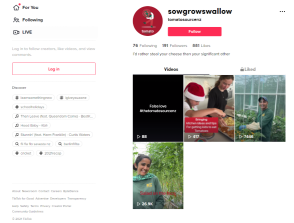
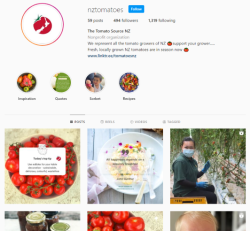
Vanessa Baxter was engaged by TomatoesNZ to help with promotions under the name Tomato Source over the season 2021-22. Through the website and social media pages (TikTok, Instagram and Facebook) there was lots of tomato chat and some delicious recipes.
|
|
 |
New marketing tools for growers and marketers
We are pleased to provide a range of exciting graphics and short videos to help with your marketing of fresh New Zealand tomatoes.
 |
 |
You can download the fun, colourful and interested range of images at the bottom of this page. To access the vidoes please contact us.
About NZ tomatoes
At TomatoesNZ we know how good locally grown fresh tomatoes are and we want everyone else to know too. We’ve produced two short informative animations about our fresh tomatoes which we would like to share with you and we encourage you to share it too.
Some facts about our tomatoes
- Grown locally by skilled kiwi growers in glasshouses for kiwis to enjoy year round
- New Zealand’s high light levels provide superior growing conditions for tomatoes
- Ripened on the vine to lock in the sweetness
- Hand selected and delivered locally to major stores daily
- Full of natural vitamin C and contain the powerful antioxidant lycopene
- Available in many varieties for you to enjoy in your favourite dishes
Key information about our industry
- It’s important New Zealand protects its booming fresh produce industry which employs thousands of New Zealanders
- Irradiation is commonly used to treat Australian tomatoes imported into New Zealand to manage the risks of introducing Queensland Fruit Fly to New Zealand.
- All irradiated imported produce must be clearly identified at the point of sale.
- Food must be labelled (or have a label displayed on or close to it) stating that it has been treated with ionising radiation, meeting the labelling requirement of FSANZ, Standard 1.5.3.
- Should you see Australian produce for sale without the signage you should contact MPI directly at www.mpi.govt.nz or on freephone 0800 00 83 33.
- Help keep New Zealand Horticulture Industry and Kiwis safe.